-
Not a Snipe Hunt
On a cold, crisp day in late January, my husband Bruce, son Mark, and I set out on our annual Winter Raptor Survey in nearby Sinking Valley. Although a substantial snow had fallen the previous day, all the township roads had been plowed, and Bruce had no trouble driving our usual 35-mile route. Despite a…
-
Owls of North America and the Caribbean, by Scott Weidensaul
If you like owls as much as I do, then the Peterson Reference Guide to Owls of North America and the Caribbean is the book for you. Filled with gorgeous, glossy photographs of owls, this book also serves as an excellent reference source. Neither as folksy and readable as the Bent series on birds nor…
-

White-throated Sparrows
By November most of our songbirds are gone. But at least a few white-throated sparrows, which nest farther north and have been migrating through here since late September, elect to stay instead of heading to the southeastern United States to spend the winter. Not only do they stay, but they continue to whistle their plaintive…
-
Winter Hawks
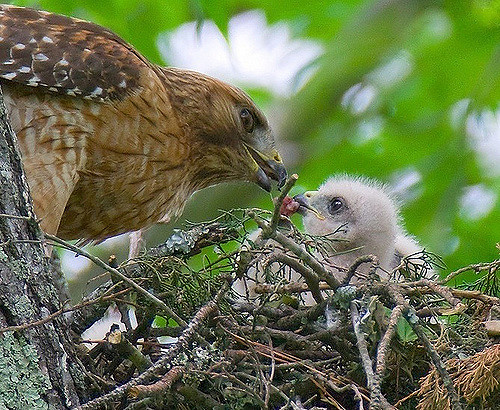
It’s October and folks are perched on mountaintops throughout Pennsylvania watching the raptors parade south. Even on our mountain, I can sit for hours on a breezy October day and count dozens of raptors flying past. Officially, fall raptor-watching begins in mid- August and doesn’t end until mid-December, but the largest numbers and diversity of…
-
Songbird Journeys
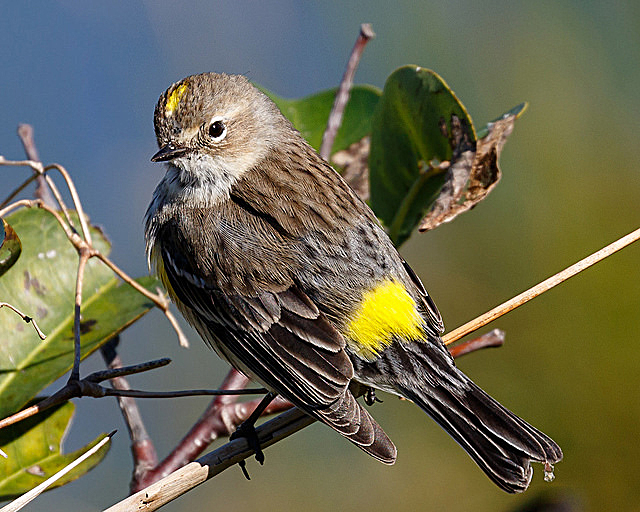
For those of us who appreciate songbirds, September is the saddest month. That’s when most of them start their long journeys south. Gone are the songs of spring and early summer, the raising of youngsters, even, in some cases, their bright spring colors. A few songbirds, such as eastern towhees and yellow-rumped warblers, migrate no…
-
Chimney Swifts
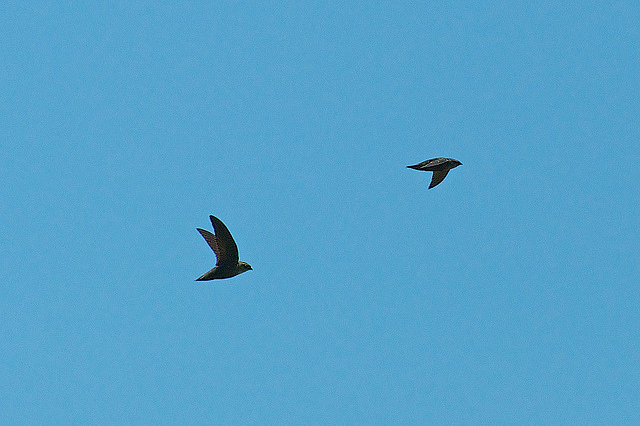
Think of them as “flying cigars,” one of several descriptive nicknames for birds first named “American swifts” by early naturalists and later in the nineteenth century renamed chimney swifts. Their short, bluish-black bodies with silver gray throats and squared-off tails flutter bat-like through the air on long, scythe-shaped wings. “Bows and arrows,” another nickname, can…
-
Watcher at the Nest
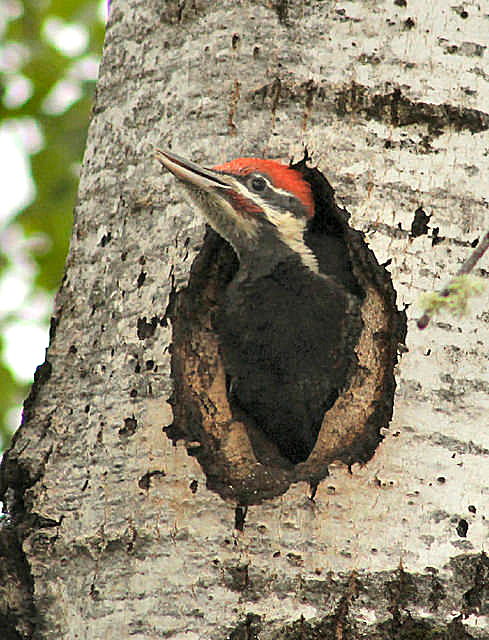
Last April our son Dave, my husband Bruce, and caretakers Troy and Paula spotted a male pileated woodpecker excavating a nest hole in a 60-foot-high, barkless elm snag. At first I wasn’t interested. I had often seen pileateds working on nest holes, and they had never amounted to anything, because pileateds had been making one…
-
The Masked Bandit
It is late afternoon on May Day, and the masked bandit is standing on the stoop of our veranda door. He looks around alertly as I speak to him. “What are you doing here?” I ask. He doesn’t seem inclined to move or to answer. After all, he’s only a songbird who sings “witchedy, witchedy,”…
-
Golden-wings
The last time I saw a golden-winged warbler on our property was May 29, 2008, when I heard him singing his “bee, bzz, bzz” song and tracked him to his usual nesting spot at the top edge of First Field. Of course, that wasn’t the only place I saw golden-winged warblers on our property. But…
-
Wintering Short-eared Owls
For years I have wanted to see the wintering short-eared owls of Adams County, especially after reading an article in National Wildlife about the dozens of these owls at a farm in the winter of 2005. But as the years passed, it seemed as if the large numbers had dwindled. Then, in early March, I…
-
American Treecreepers
I always think of brown creepers as winter birds but, depending where you live in Pennsylvania, they may be summer residents, spring and fall migrators, and/or winter visitors. Because we live on the westernmost ridge in the ridge-and-valley province, they are migrators as well as winter visitors. But along the Allegheny Front and in the…
-
Carolina Chickadees
For years I thought I could tell the difference between black-capped and Carolina chickadees by their songs and calls. After all, I had heard them one winter on the mall in Washington, D.C. and they certainly sounded different from the black-cappeds I was used to. So last winter, when I heard a calling chickadee that…
-
Subscribe
Subscribed
Already have a WordPress.com account? Log in now.
 Marcia Bonta